


August 5, 2024
Spotting Unusual Wear and Tear
The first red flag for potential odometer rollback is unusual wear and tear on the vehicle. If a car shows significant signs of use that don’t match its reported mileage, you should be suspicious. For instance, if the odometer reads 30,000 miles but the brake pedals are heavily worn or the driver’s seat looks excessively used, there might be something fishy going on. Pay close attention to other areas such as the steering wheel, floor mats, and gear shift. These parts tend to show wear consistent with high mileage. If they look more worn out than what you’d expect for the given mileage, it’s time to dig deeper. Remember that normal wear and tear should align with the age and reported usage of the vehicle. Discrepancies here could indicate that someone has rolled back the odometer to make the car seem newer than it really is.
Reviewing Maintenance Records for Inconsistencies
Another strong indicator of odometer tampering is mismatched maintenance records. Always ask for service records when considering a used car purchase. These documents provide valuable insights into the vehicle’s history and can help verify its true mileage. If you notice inconsistencies between recorded services and the current mileage reading, that’s a major red flag. For example, if a service record from two years ago shows 50,000 miles but today’s reading is only 55,000 miles, something doesn’t add up. Additionally, look for gaps in maintenance records or missing documentation altogether. A lack of consistent service history can be an attempt to hide previous high-mileage readings or other issues related to odometer fraud.
Leveraging Digital Records and Vehicle History Reports
In today’s digital age, many service centers keep electronic records of maintenance work performed on vehicles. Ask if these records are available and cross-check them against physical documents provided by the seller. This extra step can help uncover any discrepancies that might not be immediately apparent from paper records alone. A comprehensive vehicle history report is one of your best tools for detecting odometer tampering. Services like VIN-Info offer detailed reports based on a vehicle’s unique VIN (Vehicle Identification Number). These reports include information about past ownerships, accident history, title status, and crucially—mileage readings at various points in time. If you notice sudden drops in recorded mileage or inconsistent readings over time within these reports, it’s a clear sign that something isn’t right. Mileage anomalies often point directly to odometer rollback attempts.
Investigating Dashboard Indicators
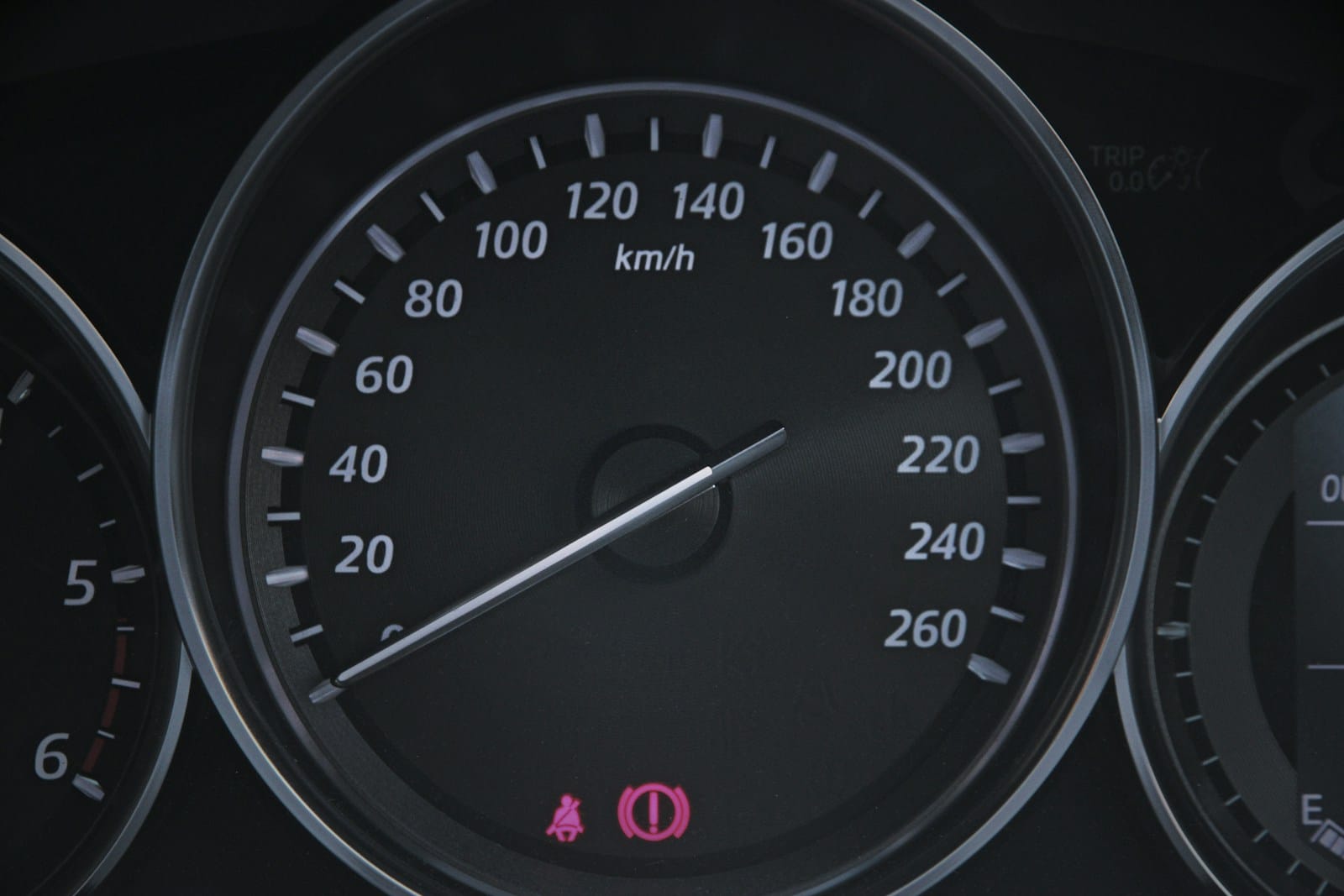
The dashboard itself can sometimes give away signs of tampering. Modern vehicles have sophisticated systems designed to detect irregularities in their components—including the odometer. If warning lights related to the speedometer or other dashboard indicators are illuminated without obvious cause—or if they flicker intermittently—it could signal an attempt at manipulation gone wrong. For cars equipped with digital odometers rather than mechanical ones, pay attention to any glitches or erratic behavior displayed on-screen during operation. Anomalies here might suggest interference with electronic systems responsible for tracking accurate mileage data—a hallmark tactic among those attempting fraudulent rollbacks digitally.
Evaluating Sellers’ Behavior and Claims
The behavior and claims made by sellers themselves can also provide clues about potential odometer tampering practices. Dishonest sellers might make questionable claims about the vehicle’s condition or history. Trust your instincts and seek expert advice if something feels off during the evaluation process. If necessary, consult a certified mechanic or utilize dealership inspections to uncover any potential issues related to odometer rollback.
Ensuring a Safe Purchase Through Vigilance and Research
By staying vigilant and conducting thorough research, you can protect yourself from odometer fraud. Verify information through multiple sources, use trusted services for VIN checks, and ask direct questions about maintenance history and unusual patterns. With these precautions, you can ensure a more transparent and trustworthy vehicle purchase experience.